- How To Change Language On Word Mac Free
- Change Language Shortcut Mac
- How To Change Language On Word Mac 2017
May 10, 2019 (If you have a document open in Word, you’ll need to click the “File menu first and then click “Options.” The “Word Options” window will appear. In the options pane on the left, select “Language.” In the “Choose Editing Languages” section, you should see your installed languages. Select Start Control Panel Clock, Language and Region Region and Language. Select Keyboards and Languages. Click on install/uninstall languages, and follow the instructions to install a language. With that out of the way, head over to the Language Accessory Pack for Office page on the Office website.
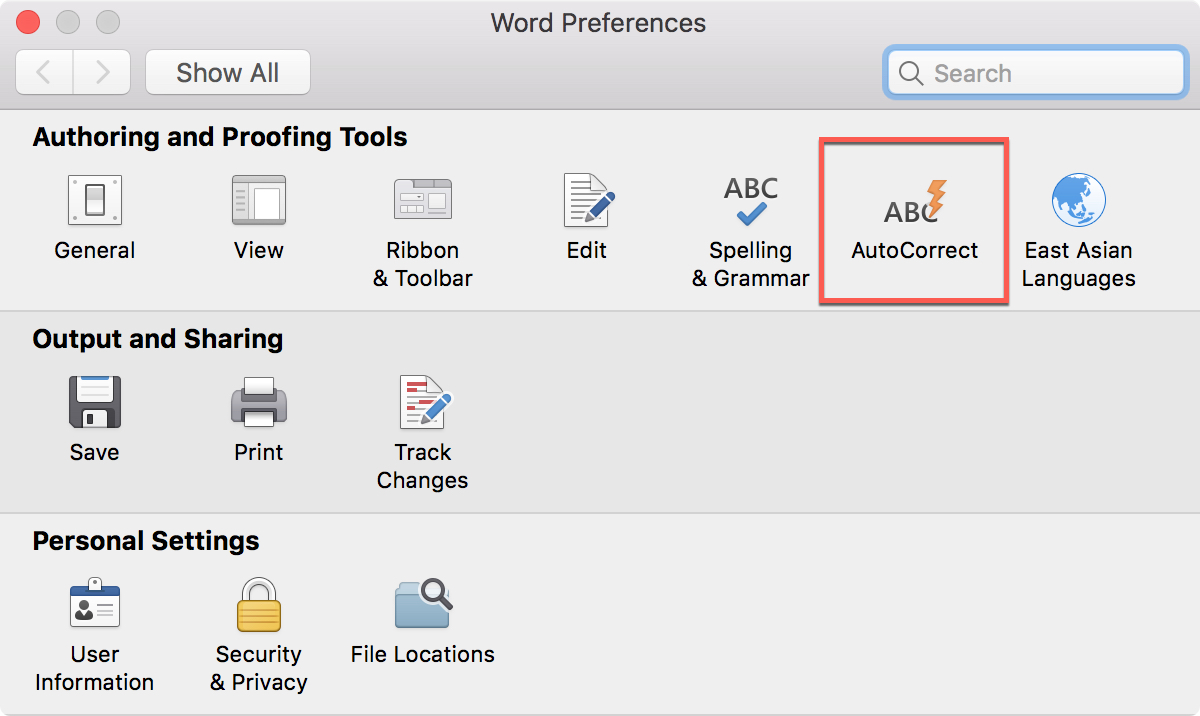
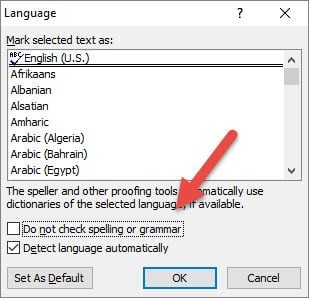
To force a specific, different display language just for Word: Select File Options. In the Word Options dialog box, select Language. In the Choose Display Language section, choose the Display Language and Help Language you want to use. Go to ToolsLanguage, select a Language, and click Default. Word will automatically add that language tag to your Normal style, which is the default style for text in a new blank document. Be sure the 'do not check spelling or grammar' box is NOT checked. There are two main ways to set the proofing language of a new document in Microsoft Word. The first is via the ‘Review’ tab on the main ribbon: In the ‘Review’ tab, find the ‘Language’ section; Click on ‘Language’ and select ‘Set Proofing Language’ from the menu; In the new window, pick a proofing language (e.g.
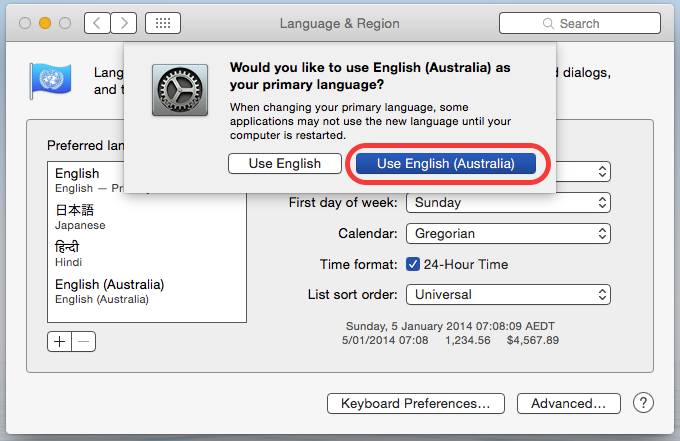
Topics Map > OS and Desktop Applications > Operating Systems > Mac OS XThis document describes how to change the operating system language on Mac OS 10.9 (Mavericks).
Background:
How To Change Language On Word Mac Free
Change System Language:
| Keywords: | Language Change Mac OS 10.9 Mavericks macintosh englishSuggest keywords | Doc ID: | 43834 |
|---|---|---|---|
| Owner: | Help Desk KB Team . | Group: | DoIT Help Desk |
| Created: | 2014-10-05 14:29 CST | Updated: | 2020-08-13 17:21 CST |
| Sites: | DoIT Help Desk, DoIT Tech Store | ||
| Feedback: | 202115CommentSuggest a new document | ||
Although Microsoft Word’s spellchecker can never compare to a human proofreader, it is a useful tool for spotting mistakes in your written work. Assuming you know how to use it, that is.
The problem is that there are many varieties of English in the world, as well as a few other languages. As such, you need to make sure your document is using the correct proofing language before running a spellcheck, otherwise it will miss words spelled differently in different regions.
Thus, to make sure you don’t end up with unintentional ‘colors’ or ‘honors’ in your work, you’d better learn how to set the proofing language in Microsoft Word!
Setting the Proofing Language
There are two main ways to set the proofing language of a new document in Microsoft Word. The first is via the ‘Review’ tab on the main ribbon:
- In the ‘Review’ tab, find the ‘Language’ section
- Click on ‘Language’ and select ‘Set Proofing Language…’ from the menu
- In the new window, pick a proofing language (e.g. Australian English) and click ‘OK’
Change Language Shortcut Mac
This will set the document to the language chosen. If you click on ‘Set As Default’ in the language window, you can make this the language used for all new documents.
The second approach is largely the same, but involves clicking on the language section of the bar at the bottom of your document.
This will open up the ‘Languages’ window and allow you to choose a proofing language as described above.
How To Change Language On Word Mac 2017
Find this useful?
Subscribe to our newsletter and get writing tips from our editors straight to your inbox.

Applying a New Language to Existing Text
You can specify the proofing language for existing text, or use different languages for different parts of a document, by simply selecting the text in question and repeating the steps above. Use Ctrl + A on PCs, or Cmd + A on Mac computers, to select all text quickly.
Alternatively, you can place the cursor where you want the new language settings to begin and do the same. You can then start typing a new section with new language settings.
Comments and Footnotes
It’s worth remembering that Microsoft Word treats things like headers, footers, comments and footnotes as independent from the main body of your work.
As such, you’ll have to change the proofing language for these separately by selecting the sections in question and changing the language settings as described above.
You can also do this by updating the text ‘Styles’ used in these sections:
- In the ‘Styles’ list, select the style you want to update (e.g. ‘Footnote Text’)
- Right click and select ‘Modify’
- In the new window, click ‘Format’ in the bottom left corner and select ‘Language’
- Pick a new language from the ‘Language’ window, as described above
This is especially important for footnotes and headers, since these need to be consistent with the rest of your document.